Historical Research Article
Liquid GoldA History of Brewing in California
From the frothing saloons of Gold Rush San Francisco to the hop-forward IPAs of San Diego — 175 years of California beer.
Chapter One · 1849 – 1870
Beer Born of Necessity: The Gold Rush Years
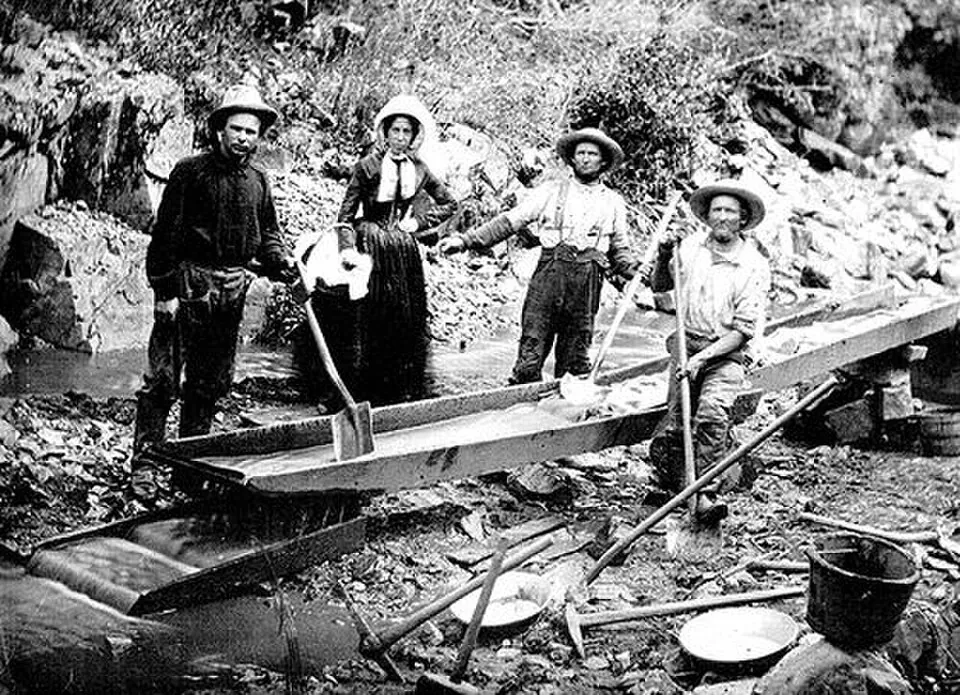
California's story with beer begins not in a laboratory or a carefully planned brewery, but in the fever of the Gold Rush. When gold was found at Sutter's Mill in 1848, it drew more than 300,000 fortune-seekers to California from around the world — among them a wave of German and Central European immigrants who arrived carrying not just picks and ambition but generations of brewing knowledge.
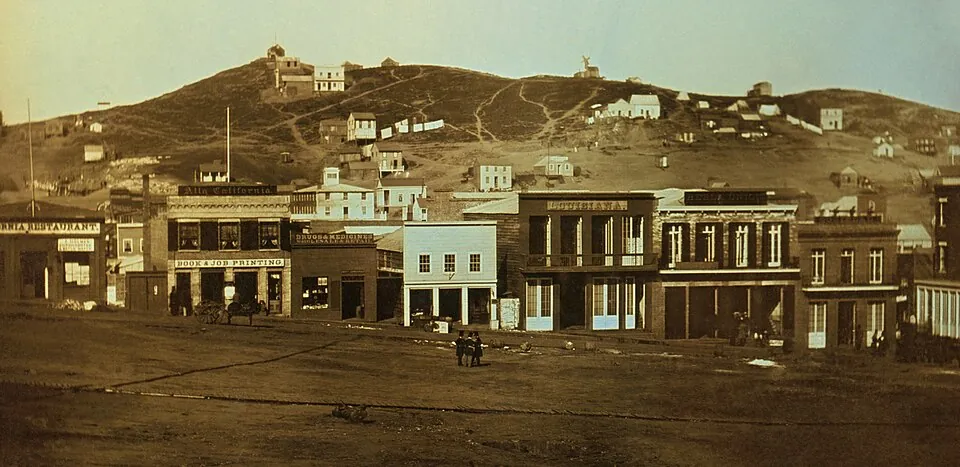

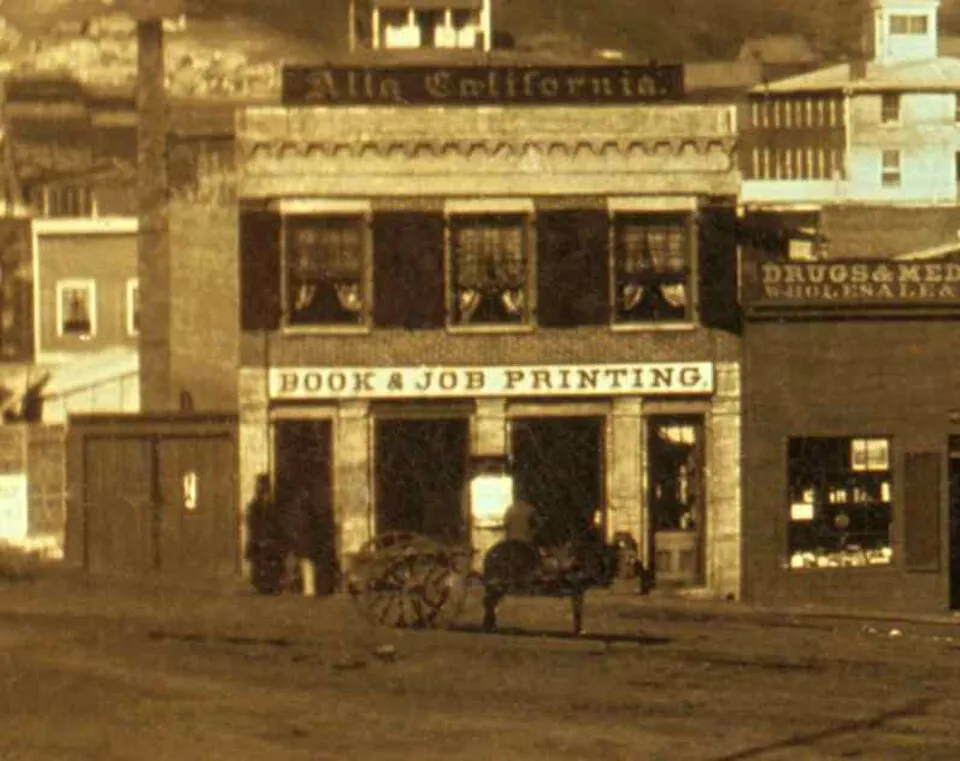
California's first brewery, the Adam Schuppert Brewery, opened in San Francisco in 1849 — roughly two and a half centuries after brewing began on the American east coast. It was not alone for long. By 1852 San Francisco had more than 350 bars serving a population of about 36,000. By 1860 the city counted over 800 saloons, supplied by more than two dozen breweries. Panning for gold, as the saying went, was thirsty work.


Steam Beer: An American Original
These immigrant brewers arrived with a problem they had not anticipated. The lager yeast they knew ferments best cold — roughly 48 to 58 °F — and lagering demands a steady supply of ice. Frontier California had neither. Mechanical refrigeration had not yet crossed the Atlantic, and natural ice was scarce outside the high Sierra.
Rather than abandon their yeast, the brewers adapted it. They pitched bottom-fermenting lager yeast and let it work at the warm ambient temperatures normally reserved for ale. The result occupied a genuine middle ground between the two great families of beer: the crispness of a lager carrying the fruit and depth of an ale. It came to be called steam beer, and it is generally regarded as the first distinctly American beer style.
Where the name came from is still argued over. Anchor Brewing's account holds that brewers pumped hot wort into shallow pans on San Francisco rooftops, where the cool Pacific air did the work of the missing refrigeration and sent visible clouds of steam over the city. Others point to the unusually high carbonation of the beer, which vented with a hiss when a cask was tapped, or to Dampfbier, a warm-fermented German style familiar to the brewers themselves. No single explanation has been settled on. Because Anchor registered "Steam Beer" as a trademark in 1981, the style is catalogued by the Beer Judge Certification Program under a different name: California Common.
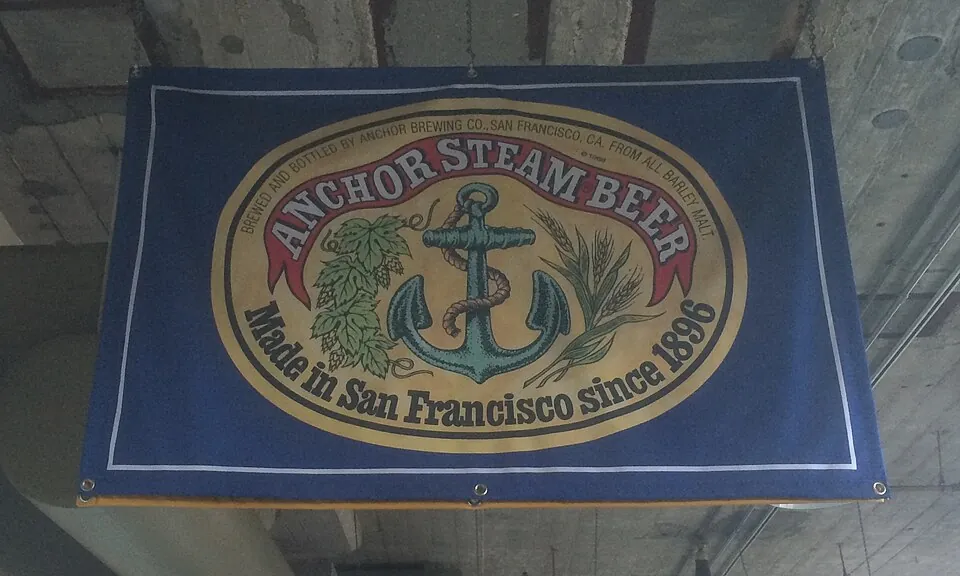

What defines steam beer / California common
Lager yeast at ale temperatures No mechanical refrigeration Toasty caramel malt backbone Woody, minty Northern Brewer hops Amber colour, medium body Brisk carbonation America's first native beer styleChapter Two · 1870 – 1919
The Gilded Age of California Brewing
As the Gold Rush gave way to a settled agricultural and industrial economy, California's brewing industry matured with it. The state's geography proved a serious asset: fertile valleys, a long growing season and a patchwork of microclimates suited to the raw materials of good beer.
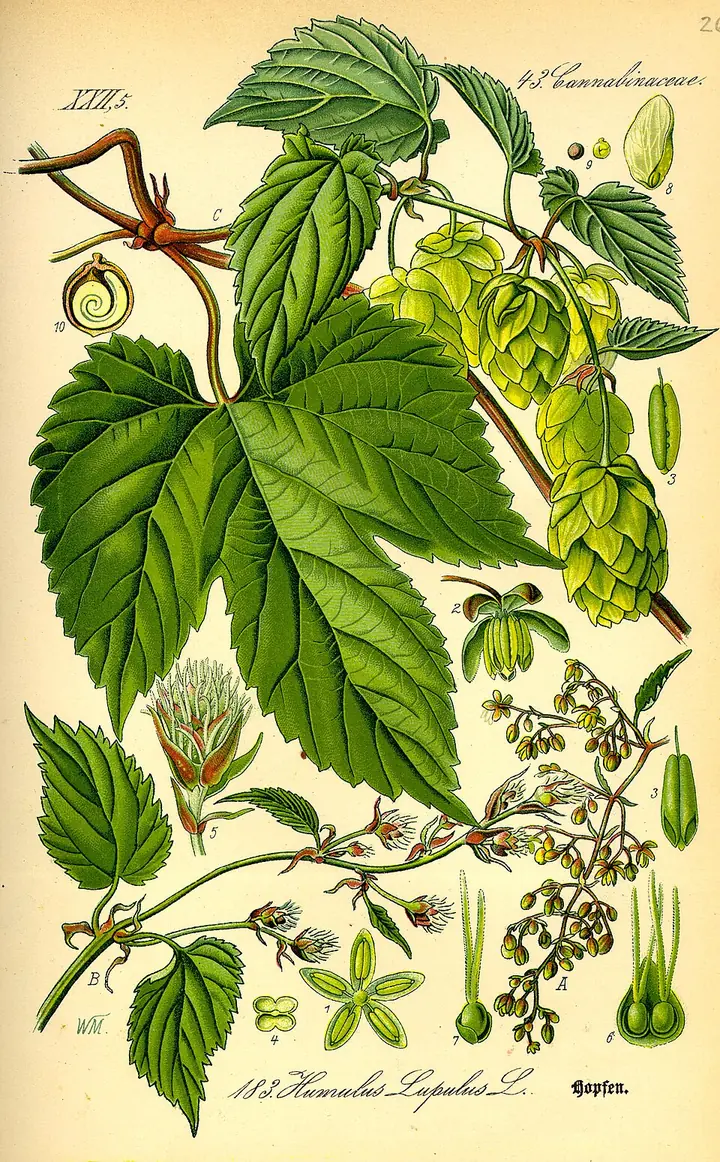

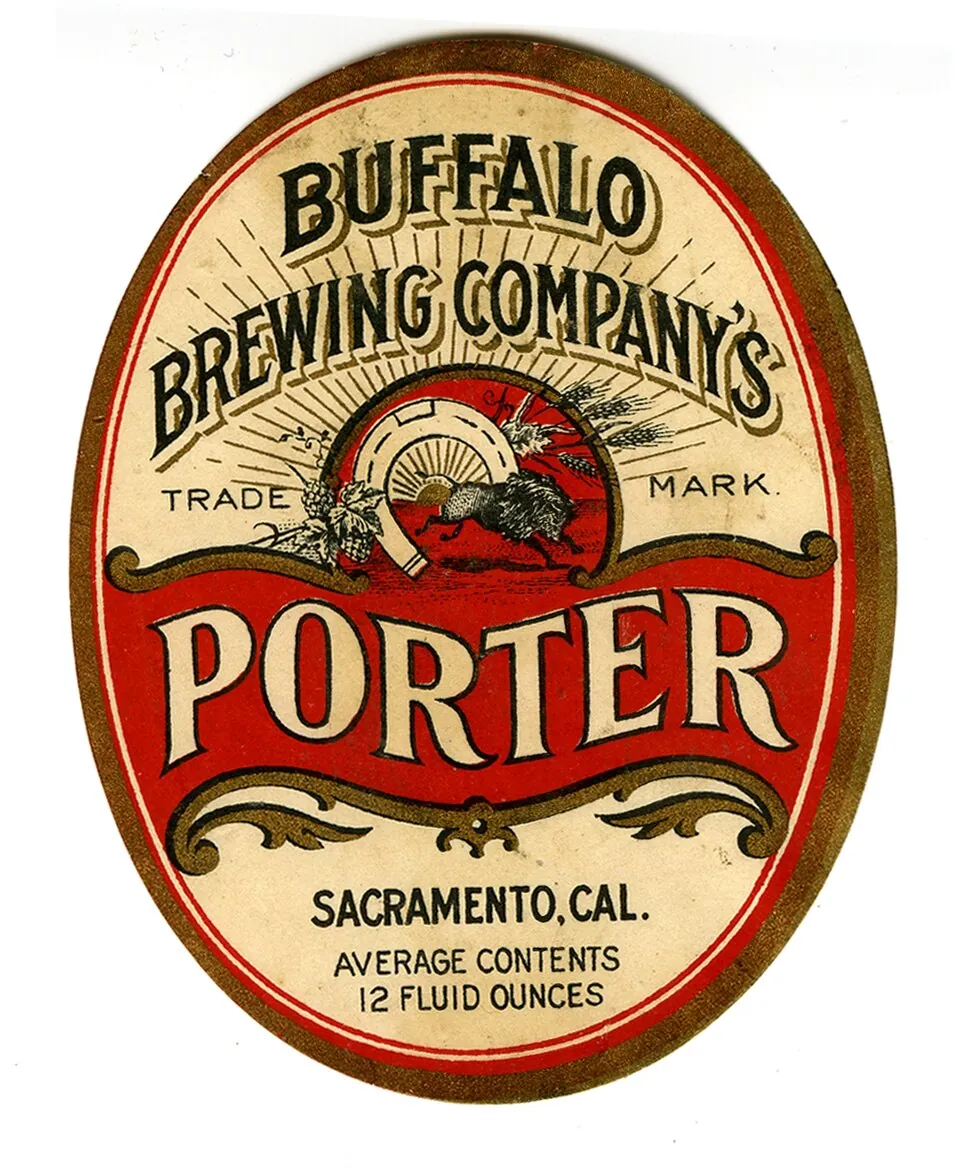

Sonoma County became one of the country's important hop-growing regions. Around Sacramento, Emil Clemens Horst held what was reported to be the largest hop acreage in the world, and in 1909 he patented a mechanical hop separator that took much of the backbreaking labour out of the harvest.
High in the Sierra above Truckee, a different kind of California beer was being made. The Boca Brewing Company, founded in 1876 by Leonhard Friedrich — a brewmaster from Baden — sat beside abundant natural mountain ice and the newly completed Transcontinental Railroad, and used both to produce California's first true cold-fermented lager. Boca beer was served to acclaim at the Paris Exposition of 1878, and at its height the brewery turned out 25,000 to 30,000 barrels a year and employed around forty people. A fire on 9 January 1893 destroyed it, and it was never rebuilt.
In the San Joaquin Valley, El Dorado Brewing — founded in 1853 by the brothers Peter and Daniel Rothenbush — built a regional following on steam beer, taking medals at the 1904 World's Fair in St. Louis, the 1905 California State Fair and the 1915 Panama-Pacific International Exposition in San Francisco.
Chapter Three · 1920 – 1933
The Dark Years: Prohibition
On 17 January 1920 the United States went dry. The Eighteenth Amendment and the Volstead Act banned the manufacture, sale and transport of intoxicating liquor nationwide, and California's brewing industry was brought down almost overnight. Breweries that had run for generations closed. The beer gardens and taprooms that held immigrant communities together went quiet.
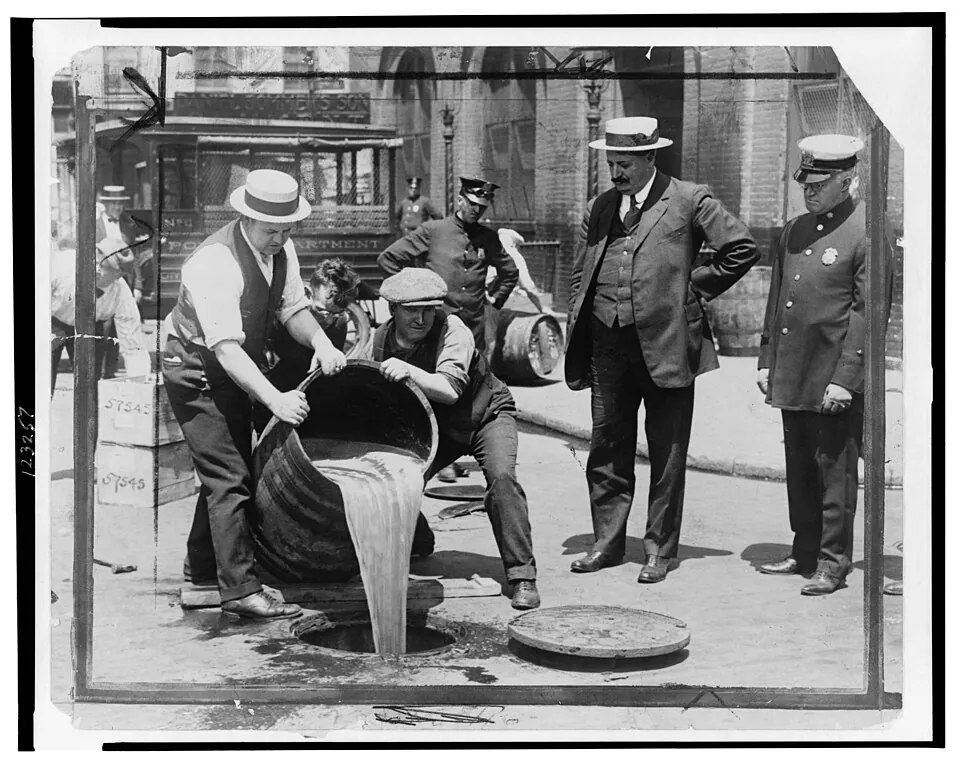

The scale of the loss is easiest to see in the national numbers. In 1915, the last full year before the dry laws took hold, 1,345 breweries were operating in the United States. In 1934, the first full year after repeal, only 756 were — and many of those would not last the decade. Survivors got through by making something other than beer: "near beer" under half a percent alcohol, malt syrup, ice cream, soft drinks. El Dorado Brewing's near beer, sold as Special Valley, kept that company alive.
Through all of it one California brewery held on. Anchor Brewing, founded in San Francisco in 1896 by Ernst F. Baruth and Otto Schinkel Jr., survived at a fraction of its former size — and with it survived steam beer. It is hard to overstate how much later history turned on that.
Repeal came with the Twenty-first Amendment in December 1933, but the industry that re-emerged was not the one that had gone under. The three-tier system separating producers, distributors and retailers was written into law and governs the trade to this day. Most small breweries never reopened. Those that did consolidated, optimised for national distribution, and converged on the pale, light lager that would define American beer for the next forty years.
"Would America have craft beer without homebrewers? Definitely not."
Theresa McCulla, Historian, American Brewing History Initiative, Smithsonian National Museum of American History
Chapter Four · 1965 – 1979
One Man Saves an Idea
California's craft revival begins with an act of rescue. In 1965 Fritz Maytag — a young Stanford graduate and great-grandson of the founder of the Maytag appliance company — learned that Anchor Brewing was days from closing. He went to look, tasted the beer, and bought 51% of the company for a few thousand dollars. He acquired the rest outright in 1969.
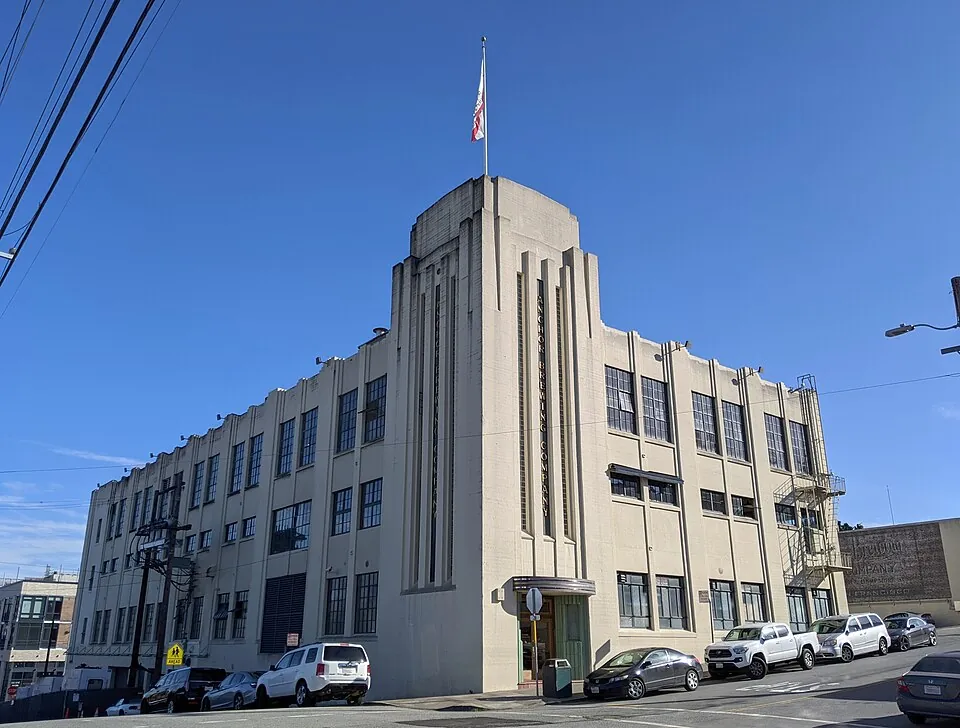

What followed was a decade-long reinvention of how American beer could be made. Maytag studied traditional technique, bought better ingredients, rebuilt the plant and refused to compromise on flavour. Anchor Steam went into bottles in 1971, reaching drinkers beyond the Bay Area for the first time. Anchor Porter followed in 1972.
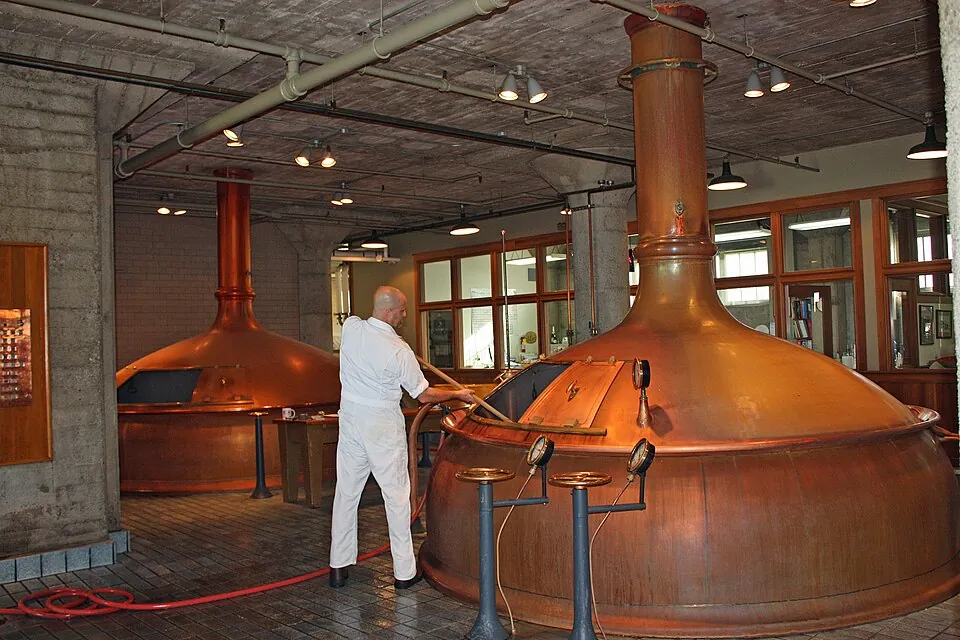

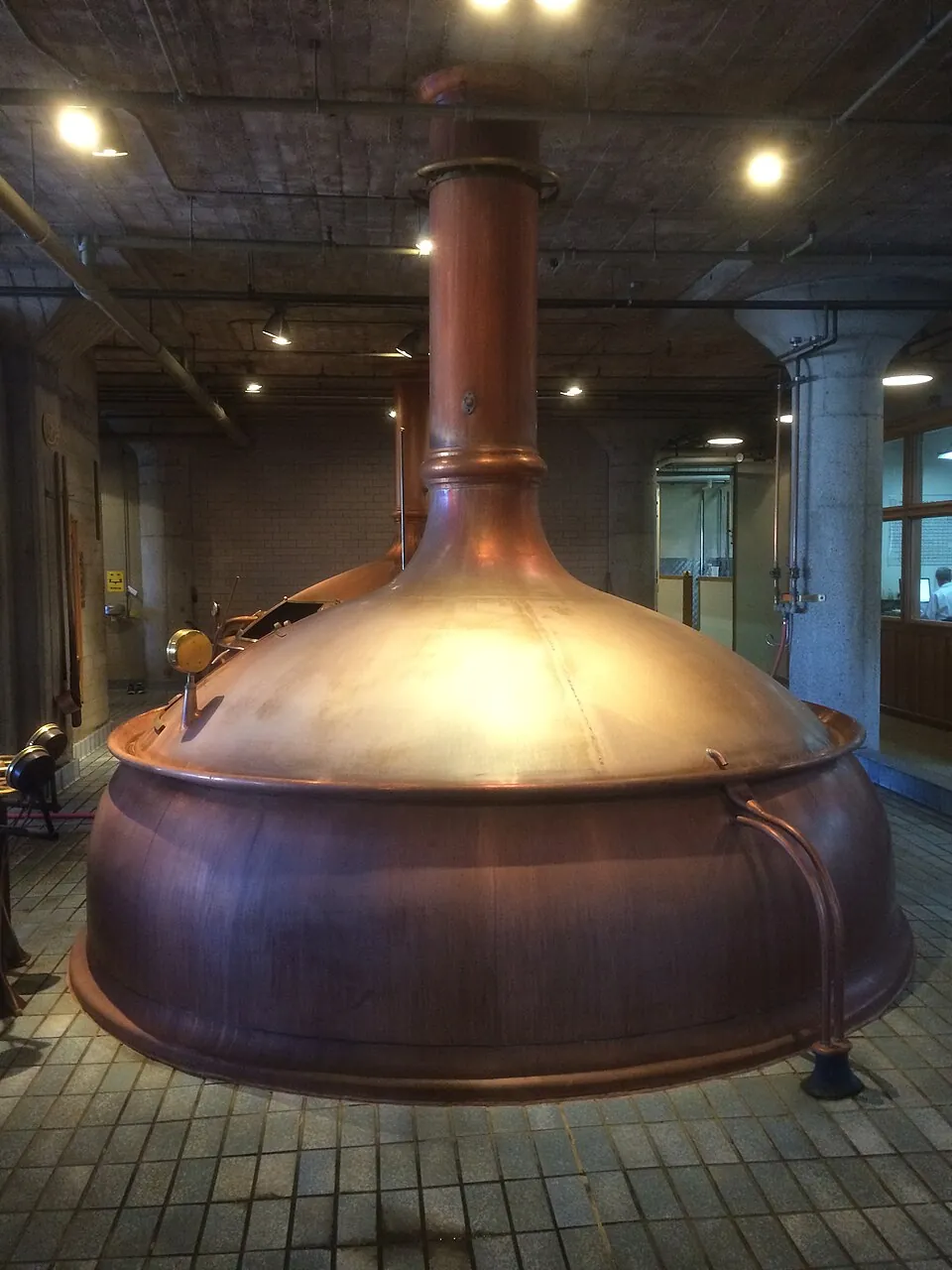

In 1975 Maytag released Anchor Liberty Ale, brewed to mark the bicentennial of Paul Revere's ride, and Old Foghorn, an American barleywine. Liberty Ale was dry-hopped with Cascade — then a new American variety — giving it a citrus and pine aroma unlike anything else on the market. It is commonly cited as the first modern American IPA brewed after Prohibition, and it introduced drinkers to the hop that would come to define California beer.
Meanwhile, in Sonoma, a Navy veteran and engineer named Jack McAuliffe had been brewing at home, chasing the ales he had drunk while stationed in Scotland. In October 1976 he incorporated New Albion Brewing Company with partners Suzy Stern and Jane Zimmerman — the first microbrewery founded in the United States after Prohibition. It brewed its first batch in 1977 on a three-level gravity-fed brewhouse McAuliffe built himself out of food-grade Coca-Cola syrup drums, a homemade copper wort cooler and a rebuilt 1910 bottle labeller.
New Albion closed in November 1982, never having found the scale to pay for itself. One historian has called it the most important failed brewery in the industry's history. It proved the thing could be done at all, and nearly everyone who followed had seen it.
Chapter Five · 1979 – 1994
Sierra Nevada and the Craft Revolution
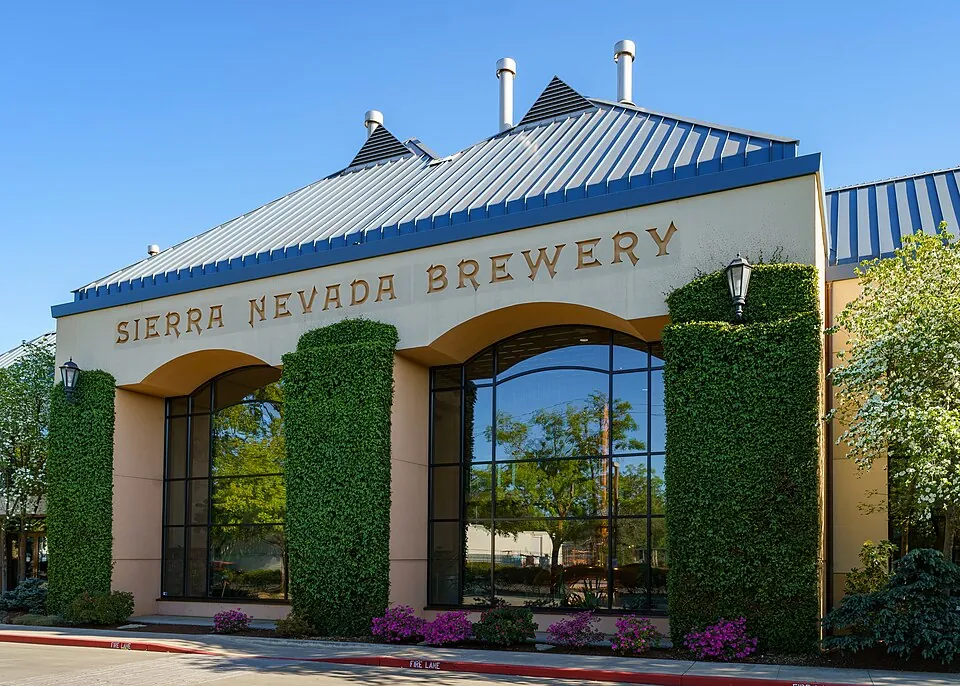
In 1979 a homebrew shop owner in Chico named Ken Grossman set out to build a brewery with his partner Paul Camusi. They raised about $50,000 in loans from friends and family, rented a 3,000-square-foot warehouse and assembled a brewhouse from discarded dairy equipment and scrapyard steel. McAuliffe's New Albion had shown them it was possible.
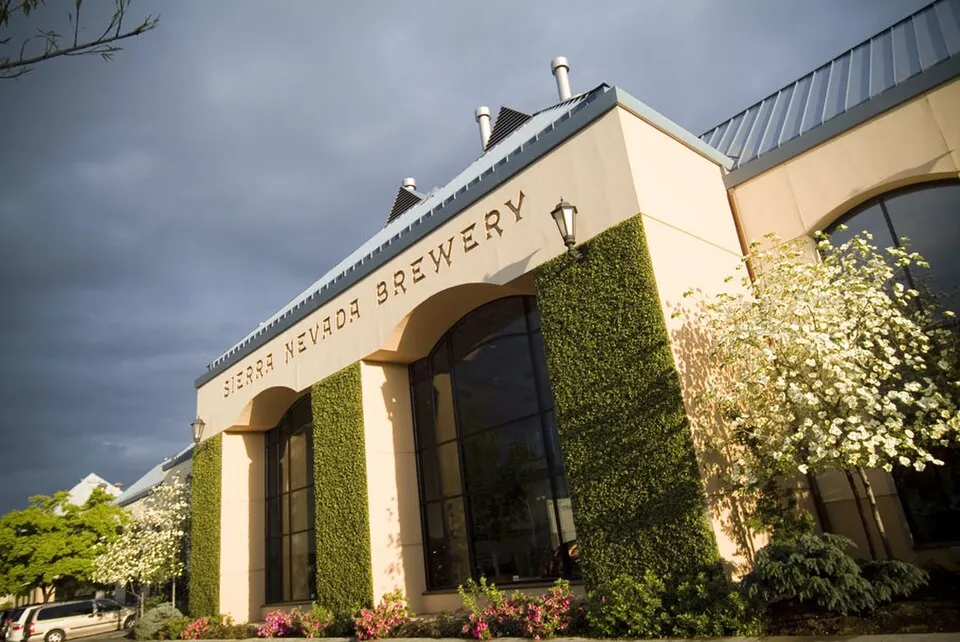

They brewed their first batch — a stout — in the third week of November 1980. The pale ale took longer. It reportedly took eleven attempts before Grossman was satisfied, and Sierra Nevada Pale Ale went on sale in March 1981.
It was unapologetically hoppy in a way American drinkers had not met before: Cascade hops giving grapefruit, pine and flower over a clean malt base. It became the best-selling craft beer in America and held that position for decades, and it did more than any other single beer to teach a country raised on light lager what hops taste like.

On 14 August 1983 the Hopland Brewery opened in Hopland, Mendocino County — California's first brewpub and only the second in the country. Its founders, Michael Laybourn and Norman Franks, bought New Albion's equipment outright and hired its brewers, Jack McAuliffe and Don Barkley, to run it. The beer they made there, Red Tail Ale, became a fixture of Northern California brewing, and the business grew into Mendocino Brewing Company.
Homebrewing had been legalised at the federal level in 1978, and through the 1980s it spread across California as a hobby with clubs, competitions and a steady supply of people who decided to go professional. Michael Jackson's The World Guide to Beer, published in 1977, gave that audience a map of what beer could be. By 1994 California was home to 84 microbreweries and brewpubs — more than had existed in the entire United States a decade earlier.
New Albion Brewing
America's first post-Prohibition microbrewery, founded by Jack McAuliffe with Suzy Stern and Jane Zimmerman. First brewed 1977; closed November 1982.
Hopland Brewery
California's first brewpub and the nation's second. Built on New Albion's equipment and brewers. Red Tail Ale became its signature; later Mendocino Brewing Company.
Sierra Nevada Brewing
First brewed November 1980. Pale Ale released March 1981 and became the defining American pale ale — and the beer that made Cascade hops famous.
Russian River Brewing
Started by Korbel with Vinnie Cilurzo as brewmaster; bought by Vinnie and Natalie Cilurzo in 2002. Home of Pliny the Elder and a pioneering wild and sour programme.
Chapter Six · 1989 – 2022
San Diego: Capital of Craft
While Northern California wrote the first chapters, something was taking shape 500 miles south. Within fifteen years San Diego County would become one of the most influential brewing regions in the world, and the place where the West Coast IPA was sharpened into its final form.
The opening came in 1989, when Chris Cramer and Matt Rattner founded Karl Strauss Brewing Company downtown — the first brewery of any kind to operate in San Diego since 1953, and the city's first brewpub. The Karl Strauss of the name was Cramer's cousin: a master brewer and former vice-president of production at Pabst, who contributed recipes, helped design the plant and served as the company's public face until his death in 2006.
A second wave followed quickly. Pizza Port, run by the siblings Vince and Gina Marsaglia, began brewing commercially in 1992 and became a proving ground for a generation of brewers. AleSmith opened in 1995. And in 1992 a homebrew shop called Home Brew Mart opened in Linda Vista — the seed from which Ballast Point Brewing grew in 1996, under founder Jack White with Yuseff Cherney brewing.
1996 was the watershed year. Greg Koch and Steve Wagner founded Stone Brewing in San Marcos, opening with Stone Pale Ale. The beer that made the brewery's reputation came a year later: Arrogant Bastard Ale, released in 1997 with a label that openly dared drinkers to keep up. Stone's position was combative by design, and it worked.
One more Southern California brewer belongs in this chapter. On 23 June 1994, at a brewpub called Blind Pig in Temecula, Vinnie Cilurzo brewed an inaugural ale that is generally regarded as the first commercially brewed double IPA — the style that would come to define West Coast brewing. Cilurzo went on to become the founding brewmaster of Russian River in Sonoma County, where Pliny the Elder made the style famous.
By the mid-2000s San Diego's brewers had refined the India Pale Ale into something recognisable anywhere: dry, pale, intensely aromatic, built on the citrus and resin of American hops. "San Diego IPA" became international shorthand for that profile. As of January 2019 the county held 155 independent craft breweries, and Stone's World Bistro & Gardens in Escondido — opened after the brewery moved there in 2006 — had become a destination in its own right.
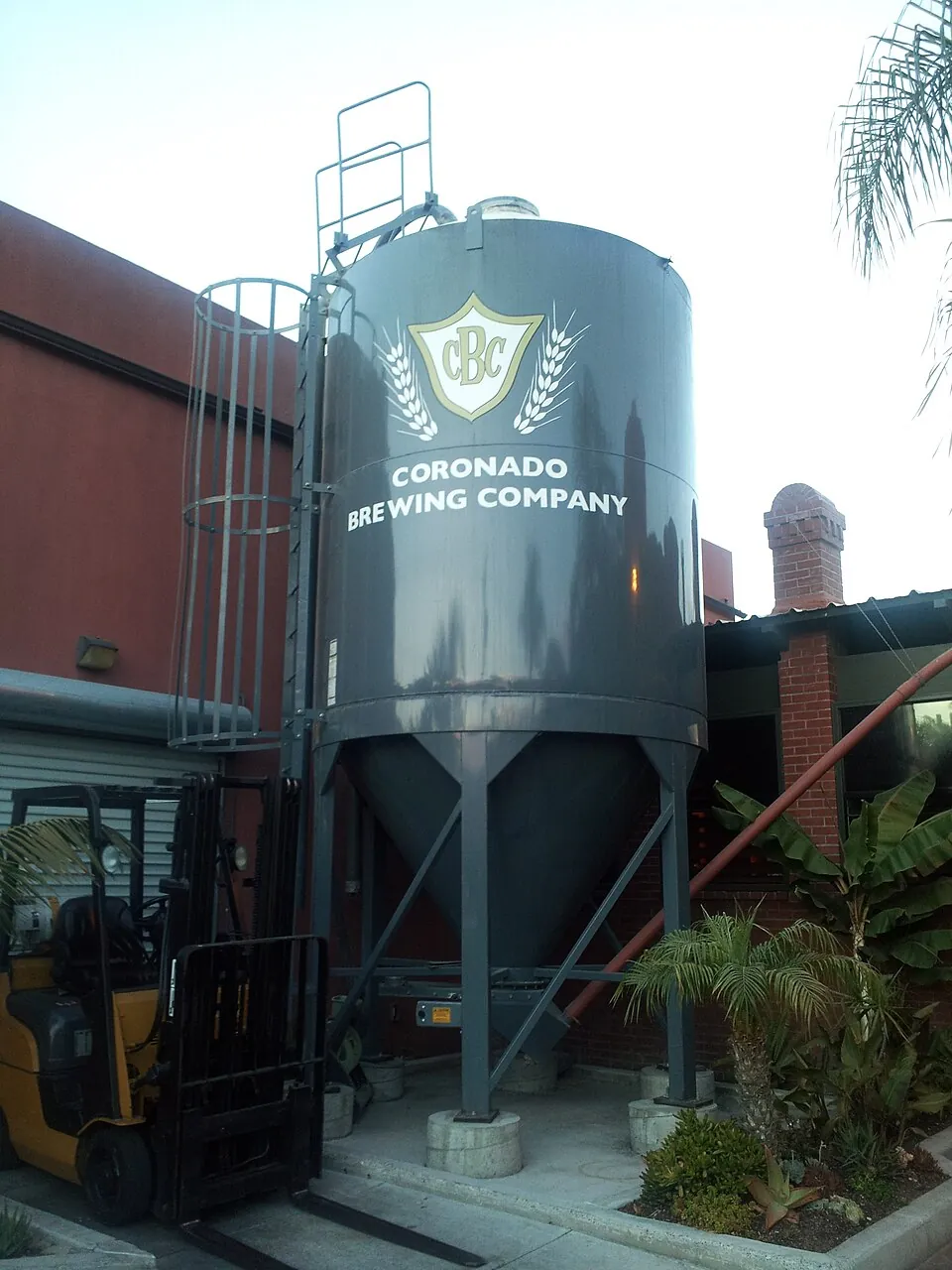

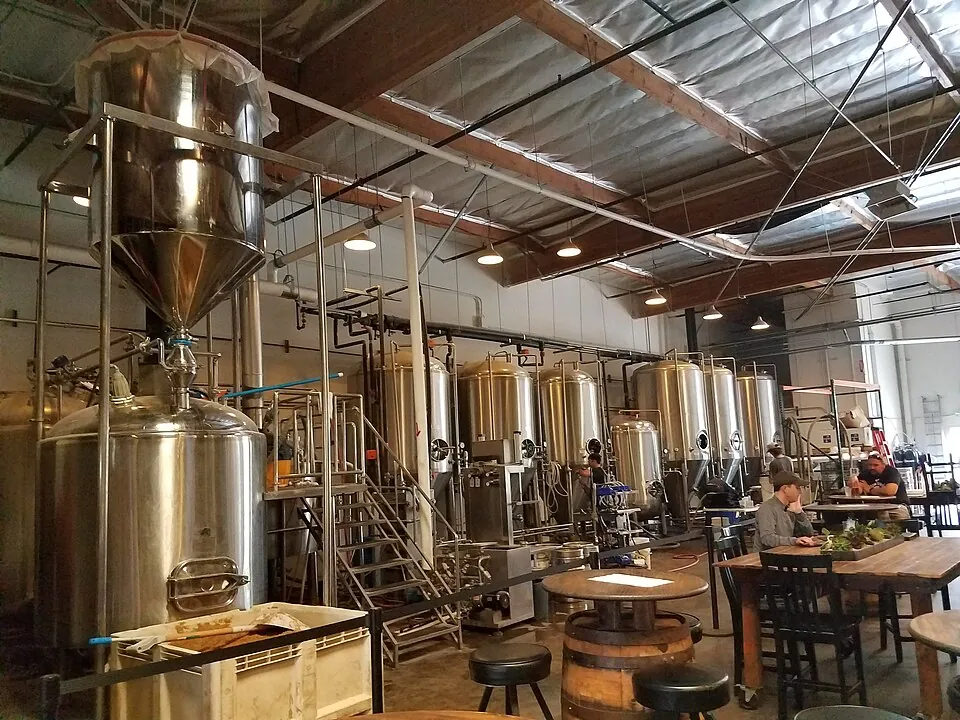

The boom brought cautionary tales with it. In December 2015 Ballast Point was sold to Constellation Brands for $1 billion — a number that stunned the industry and set off a long argument about independence. Four years later Constellation sold it on to the small Chicago-area brewer Kings & Convicts for an undisclosed sum widely estimated at a fraction of that. In August 2022 Stone Brewing — for years the most defiantly independent brewery in America — was itself sold, to Sapporo, in a deal announced at $168 million, after an expensive European expansion ended with its Berlin brewery being sold to BrewDog.
Chapter Seven · Today
California Today
By any measure that can be counted, California leads American brewing — and has a reasonable claim to being one of the great brewing regions of the world.
The Brewers Association counts 939 craft breweries in California — well ahead of Pennsylvania at 538 and New York at 525 — producing roughly 3.45 million barrels a year and contributing about $8.31 billion to the state economy. Californians themselves drink a modest 3.6 gallons of craft beer per adult per year, which ranks the state fifteenth; the scale here is in what California makes, not what it drinks.
The California Craft Brewers Association, formed in 1989, describes itself as the oldest and largest state trade association for craft brewers in the country — a fitting distinction for the state that started it. The talent pipeline runs partly through UC Davis, where Michael Lewis joined the food science faculty in 1964 as the nation's first professor of brewing science; the university's Master Brewers Certificate Program, launched in 1995, has since turned out more than 800 graduates.
Not every story ends well. In July 2023 Sapporo shut down Anchor Brewing — the brewery that had carried California beer through Prohibition and lit the fuse of the craft movement. Employees tried and failed to buy it as a cooperative. In 2024 it was bought by Hamdi Ulukaya, the founder of Chobani, who has said he intends to brew in San Francisco again. That the oldest name in California beer is now a question mark says something about how hard this business is, even here.
What continues is the experimenting. Hazy IPAs, Mexican-style lagers brewed with California grain, wine-barrel-aged sours that blur the line between brewery and winery, estate beers grown and brewed on one property. The impulse that put a pan of hot wort on a San Francisco rooftop in the 1850s — make it work with what is here — turns out to be the most durable thing in California beer.
Sources & Method
Every date, name and figure on this page was checked against a published source before posting. Where accounts conflict — as they do on the origin of the name "steam beer" — the disagreement is stated rather than resolved.
Principal sources: Brewers Association, State Craft Beer Sales & Production Statistics; The Oxford Companion to Beer (Garrett Oliver, ed., Oxford University Press); Smithsonian National Museum of American History, American Brewing History Initiative; EH.net, A Concise History of America's Brewing Industry; Truckee-Donner Historical Society on the Boca Brewery; California Craft Brewers Association; UC Davis Master Brewers Program; and Wikipedia entries for Anchor Brewing, New Albion, Sierra Nevada, Mendocino Brewing, Karl Strauss, Stone Brewing, Ballast Point, Russian River and beer in San Diego County.
Images are reproduced from Wikimedia Commons under public domain or Creative Commons licences; each is credited in its caption. California Brewery Tourism is not affiliated with any brewery named on this page.